
- Home
- >
- Knowledge Center
- >
- Blogs
Blogs
Sharing knowledge is key to an innovative and healthy industry! This knowledge center is therefore a central place on our website to share information. Read all about our industry in the blogs below!
What is a Center Bearing and Why is it Important?
The Center Bearing is a crucial component in vehicle drivetrains. It supports the drive shaft and ensures smooth rotation. A malfunctioning center bearing can lead to significant problems. According to industry data, up to 30% of drivetrain issues are linked to bad center bearings. This highlights their importance in vehicle performance and safety.
Most vehicles today rely on effective center bearings. As vehicles age, wear and tear on these bearings increases. Neglecting this component can result in vibrations and alignment issues. In some cases, it can even lead to complete drive shaft failure. Industry reports suggest that regular inspections can prevent costly repairs.
Furthermore, drivers often overlook the center bearing. They might focus on more visible parts. However, this oversight can have dire consequences. Addressing center bearing health is vital for maintaining overall vehicle reliability. Awareness and education are key aspects of vehicle maintenance in today’s automotive landscape.
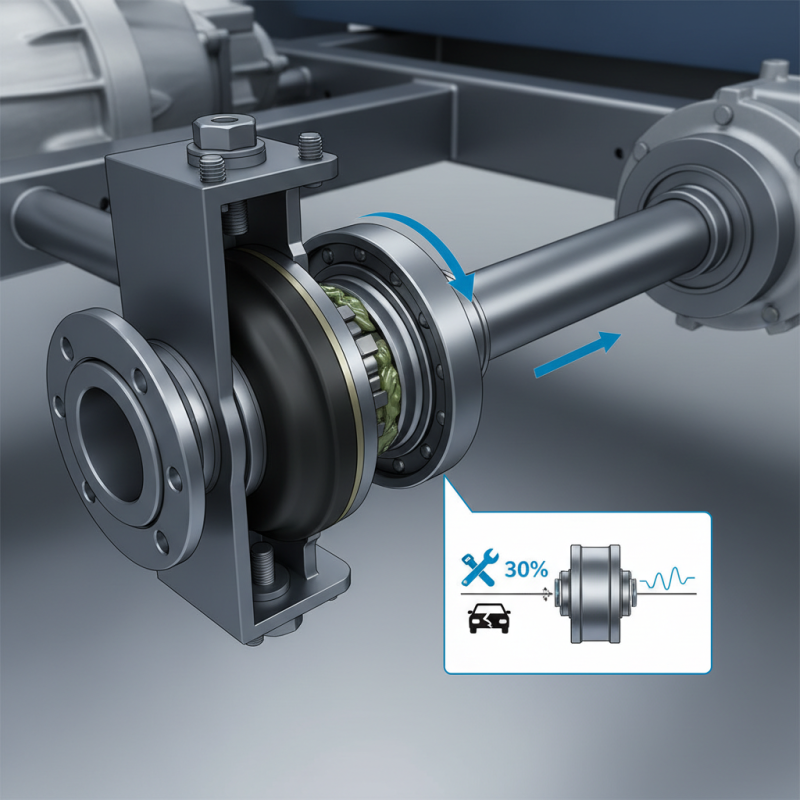
What is a Center Bearing?
A center bearing is a crucial component found in various vehicles. It plays a key role in supporting the driveshaft. The driveshaft connects the engine to the wheels, allowing power to be transferred effectively. When a vehicle moves, it experiences vibrations and movements. The center bearing helps to reduce these vibrations, ensuring a smoother ride.
Without a center bearing, the driveshaft can experience misalignment. This misalignment can lead to increased wear on other components. Drivers may notice unusual noises or vibrations when this occurs. These symptoms indicate potential issues. Regular inspections can help identify wear and tear.
Over time, center bearings can wear down or even fail. This may happen due to age or lack of lubrication. A worn center bearing can compromise vehicle safety. Ignoring these warning signs can lead to more significant problems. Awareness of the center bearing’s condition is essential for vehicle maintenance.

The Functionality of Center Bearings in Vehicle Mechanics
Center bearings are essential components in vehicle mechanics, particularly in the driveline. They support the driveshaft, preventing it from sagging and ensuring smooth rotation. This stability reduces vibrations, which can lead to premature wear on other parts. According to recent industry reports, nearly 15% of driveline failures are linked to faulty center bearings. That statistic is alarming and highlights their impact on vehicle performance.
A functioning center bearing helps maximize power transfer from the engine to the wheels. If it fails, the entire driveline could misalign, resulting in severe mechanical issues. Poor center bearing performance can also cause noise and a noticeable decline in handling. Drivers may not be aware of these symptoms until significant damage occurs, so regular inspections are critical.
Tips: Ensure your vehicle undergoes routine maintenance. Listen for unusual sounds while driving. If detected, investigate the cause promptly. Keep in mind that neglecting small issues can evolve into larger, costly repairs. Pay attention to vibration changes, as they may indicate bearing wear. Stay proactive to maintain vehicle reliability.
Common Issues Associated with Center Bearings
Center bearings play a crucial role in the drivetrain of vehicles. They support the drive shaft, ensuring smooth power transmission from the engine to the wheels. If the center bearing fails, it can lead to significant problems. Common issues include vibrations, noise, and even alignment issues.
One frequent issue with center bearings is excessive wear. Over time, dirt and debris can accumulate, causing the bearing to degrade. This might result in a noticeable increase in noise during operation. Sometimes, drivers may ignore these warning signs, leading to more severe damage. Alignment problems can also occur if the bearing is not functioning correctly. This misalignment can put extra stress on the drivetrain.
Another concern is the bearing’s mounting. If the securing bolts loosen, it can lead to instability. This instability may cause the shaft to vibrate, generating unwanted noise. At this point, a driver might think a more severe issue is happening, but it could just be the center bearing needing attention. Regular checks can prevent escalation and maintain vehicle integrity.
How to Identify a Failing Center Bearing
A center bearing plays a crucial role in a vehicle's drivetrain. It supports the driveshaft, allowing it to spin smoothly. When this component starts to fail, you may notice several warning signs.
Listen for unusual noises. A failing center bearing often creates a rumbling or clunking sound while driving. Vibrations can also be felt, especially at higher speeds. Pay attention to how your vehicle feels during acceleration and deceleration. If the driveshaft is not properly aligned, it can lead to erratic behavior.
Check for visible wear. An inspection may reveal cracks or fraying in the rubber mount. If fluids are leaking around the bearing, this could indicate a problem. Don't ignore these signs. A failing center bearing can lead to more severe issues if not addressed promptly. Staying aware of these indicators can help maintain vehicle safety and performance.
Maintenance Tips for Ensuring Center Bearing Longevity
Center bearings play a crucial role in the performance of vehicles. They support the driveshaft and help maintain proper alignment. When neglected, they can lead to vibrations, noise, and even more severe damage. According to industry reports, about 60% of driveline issues stem from poor maintenance of these components.
To ensure the longevity of a center bearing, regular inspections are essential. Check for signs of wear, such as cracking or material degradation. Greasing the bearings according to manufacturer specifications is vital. Many vehicle owners overlook this. Interestingly, proper lubrication can extend the life of a center bearing by up to 30%, as noted in recent studies.
Remember, driving habits also impact the center bearing’s condition. Harsh acceleration, frequent turning, and overloading can shorten their lifespan. Thus, staying aware of vehicle performance can prevent mishaps. A keen eye can identify problems early, often avoiding costly repairs. Each vehicle's unique demands should guide maintenance practices. Ignoring these details could result in significant long-term consequences.