
- Home
- >
- Knowledge Center
- >
- Blogs
Blogs
Sharing knowledge is key to an innovative and healthy industry! This knowledge center is therefore a central place on our website to share information. Read all about our industry in the blogs below!
Best Steering Cylinder Types for Your Vehicle Needs?
Choosing the right Steering Cylinder is crucial for vehicle performance. This component affects how well you steer and control your vehicle. Various types of steering cylinders exist, each with unique features designed for specific needs.
Different vehicles may benefit from different steering cylinders. For example, hydraulic cylinders offer more strength and responsiveness. Electric steering cylinders provide a lighter, more precise control. Each type has its pros and cons, making it essential to evaluate your requirements carefully.
While many guides exist, not all recommendations work for every driver. Some might prioritize budget over quality, while others may neglect how conditions affect performance. Considering these factors can lead to better choices. Understanding these aspects will help you navigate the options effectively.
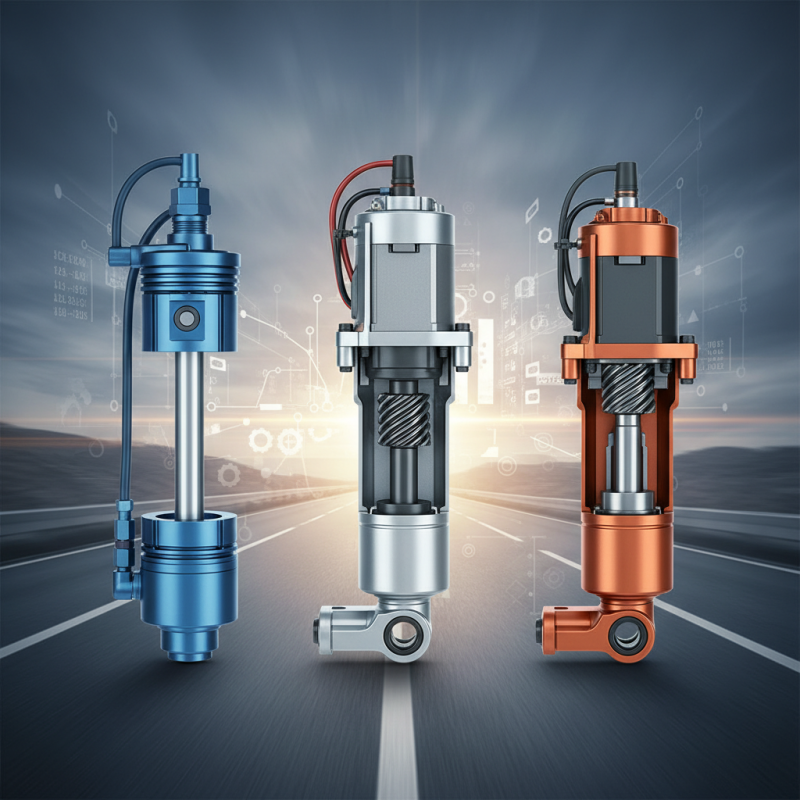
Types of Steering Cylinders: An Overview
Steering cylinders are crucial for vehicle maneuverability. Different types serve various functions and applications. Understanding these types can help you choose the right one for your needs.
Hydraulic steering cylinders are widely used. They offer excellent response and control for larger vehicles. These cylinders use hydraulic fluid to assist steering. However, they may leak over time, which can complicate maintenance. Pneumatic steering cylinders are another option. They utilize compressed air to function and are lightweight. Yet, they might lack the precision found in hydraulic systems.
Electromechanical steering cylinders are becoming popular. They provide electric assistance for easier handling. While they enhance efficiency, they can be prone to electronic failures. Knowing the pros and cons of each type is essential. Every vehicle has specific needs, and one size doesn't fit all. Evaluating these factors will lead to better steering solutions.

Hydraulic vs. Electric Steering Cylinders: Key Differences
When choosing between hydraulic and electric steering cylinders, it's essential to understand their differences. Hydraulic systems rely on fluid pressure. They provide strong and consistent force, ideal for heavy vehicles. The feeling can be more connected and responsive, especially in difficult terrains.
Electric steering cylinders operate differently. They use electric motors to assist steering. This makes them lighter and often more efficient. Electric systems can adjust assistance based on speed. In city driving, they can feel effortless, but they might lack the same feedback as hydraulic systems. Some drivers find that disconnecting feeling frustrating.
Both systems have unique advantages. Hydraulic systems can sometimes lead to high maintenance costs. Leaks can be problematic, and repairs may require specialized skills. On the other hand, electric systems may experience software issues or sensor failures. Choosing the right one involves considering your driving style and vehicle usage. Balancing performance and maintenance is key.
Benefits of Different Steering Cylinder Types for Vehicles
When choosing a steering cylinder for your vehicle, understanding the benefits of different types is essential. Hydraulic steering cylinders offer excellent responsiveness. They provide better control, especially in larger vehicles. This responsiveness leads to improved maneuverability on various terrains.
Electric steering cylinders are becoming increasingly popular. They are known for their energy efficiency. These systems often result in enhanced fuel economy and reduce weight. However, their complexity can make repairs more challenging. For some, this added maintenance cost can be a drawback.
Mechanical steering cylinders are a traditional choice. They are straightforward in design and easy to maintain. Maintaining a mechanical system might involve more physical effort, but they are generally reliable. While hydraulic and electric systems may provide more advanced features, they can suffer from higher repair needs over time. Each type of steering cylinder presents unique benefits and challenges, making it crucial to assess your vehicle's specific needs.
Factors to Consider When Choosing a Steering Cylinder
Choosing the right steering cylinder for your vehicle involves several key factors. One must consider the type of vehicle. Different vehicles require different steering systems. A compact car may not need the same cylinder as a heavy-duty truck. Weight plays a significant role. Heavier vehicles often require more robust cylinders to handle the stress.
Material choice is also essential. Steel is strong, but it can rust. Aluminum is lighter and resists corrosion. Yet, it may not offer the same durability under stress. Users should weigh these aspects carefully. Compatibility with the existing system is crucial. An ideal fit ensures optimal performance. A mismatch can lead to serious steering issues, which could be dangerous.
Installation methods can vary too. Some cylinders are easier to install than others. Complex installations may require professional help. Even small errors can create problems later. Therefore, reading manuals and seeking guidance is vital. In the end, each choice influences performance and safety. Consider all these factors thoroughly before making a decision.
Maintenance Tips for Optimal Steering Cylinder Performance
Regular maintenance of your steering cylinder is essential for optimal vehicle performance. Start by checking the fluid levels frequently. Low fluid can lead to increased friction and wear. Clean any debris or leaks around the cylinder. This will prevent dirt from entering and causing more damage.
It’s important to inspect the seals and hoses. Cracks or wear can lead to serious issues. Replace them promptly to avoid larger repairs. Over time, bushings can wear out too. They should be checked regularly. If you notice unusual sounds or difficulty steering, don't ignore them. Addressing issues early can save you money and time later.
Remember that proper alignment is crucial. Misalignment can place extra strain on the steering cylinder. Routine alignment checks can prolong the life of your steering components. Keep in mind that even with the best care, parts may eventually wear down. It’s important to remain vigilant and adjust your maintenance routine accordingly.